5s
+1
Submission successful!

Nazwa handlowa:
Greef
Orzecznictwo:
CE
Model Number:
Hybrid System
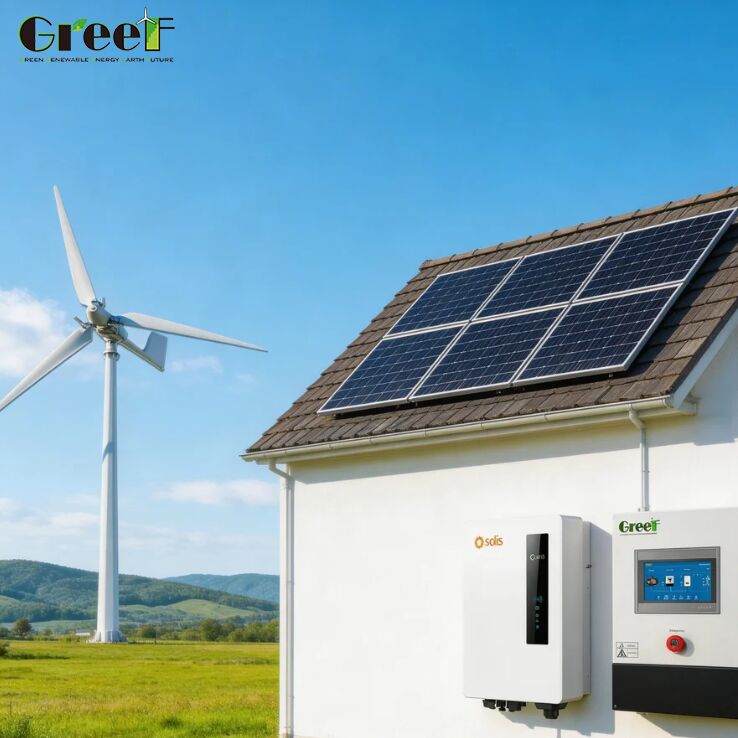
Komplementarność skali czasowej odgrywa istotną rolę w optymalizacji wytwarzania energii ze źródeł odnawialnych.DodatkowoW okresie letnim w Europie występuje duża ilość światła słonecznego, podczas gdy w zimie korzystamy z silniejszych zasobów wiatru.zmniejszenie wahań i niestabilności sieci, które mogą wystąpić w przypadku zależności od każdego źródła indywidualnie.
Synergia między zasobami i wykorzystaniem gruntów jest kolejnym ważnym aspektem łączenia energii słonecznej i wiatrowej.W przeciwieństwie, turbiny wiatrowe są najbardziej wydajne, gdy są zainstalowane na grzbietach, obszarach przybrzeżnych lub w terenach podwyższonych.możliwe jest maksymalne wykorzystanie zarówno ziemi, jak i lokalnych warunków meteorologicznych, zwiększając ogólny pobór energii.
Z punktu widzenia systemu integracja energii wiatrowej i słonecznej ma wyraźne zalety operacyjne.a także koordynacja działań operacyjnych i konserwacyjnychWłączenie systemów magazynowania energii, takich jak akumulatory lub pompowana energia wodna, dodatkowo ustabilizuje produkcję,umożliwiające instalacji hybrydowej dostarczanie energii z niezawodnością i spójnością podobną do konwencjonalnych elektrowni.
Takie zintegrowane podejście jest często określane jako zintegrowany system energii wiatrowo-słonecznej i magazynowania.wspieranie światowej transformacji na czyste i odnawialne źródła energii.
Samodzielne systemy wiatrowe lub fotowoltaiczne (PV) często doświadczają wahań ze względu na różne warunki pogodowe.znacznie zmniejsza się prawdopodobieństwo, że oba zasoby nie będą dostępne jednocześnieProwadzi to do stabilniejszej mocy wyjściowej, co z kolei zmniejsza wahania mocy i pomaga złagodzić presję na regulację częstotliwości sieci.
Systemy energetyczne hybrydowe optymalizują wykorzystanie infrastruktury poprzez dzielenie się zasobami, takimi jak grunty, podstacje, linie przesyłowe i zespoły konserwacyjne.Panele fotowoltaiczne mogą być strategicznie umieszczane między turbinami wiatrowymi w tym samym miejscuTakie podejście, czasami określane jako wykorzystanie gruntów na zasadach wiatrowych i słonecznych, zwiększa wytwarzanie energii na jednostkę powierzchni, maksymalnie zwiększając całkowitą produkcję z danego miejsca.
Wykorzystując zaawansowane algorytmy prognozowania i dyspozycji, systemy hybrydowe mogą dynamicznie równoważyć wkład energii ze źródeł wiatrowych i słonecznych w czasie rzeczywistym.Zapewnia to, że całkowita produkcja energii jest ściśle zgodna z popytemPonadto integracja rozwiązań magazynowania energii pozwala na przechowywanie nadmiaru energii i uwalnianie jej w razie potrzeby, skutecznie zmniejszając marnotrawstwo energii i minimalizując ograniczenia.
Dzięki wspólnemu wykorzystaniu urządzeń do podłączenia do sieci, zasobów operacyjnych i konserwacyjnych (O&M), a także platform monitorowania, systemy hybrydowe zmniejszają zarówno koszty kapitałowe, jak i operacyjne.w przypadku większej spójności mocy wytwarzanej, zazwyczaj osiąga się lepsze ceny energii elektrycznej i uzyskuje wyższy priorytet w procesach dystrybucji na rynku energii.
Rozwiązania energetyczne hybrydowe przyczyniają się do zmniejszenia zależności od paliw kopalnych i nie wytwarzają emisji dwutlenku węgla.systemy te nie tylko wytwarzają czystą energię, ale także wspierają działania na rzecz odbudowy ekologicznej, które przynoszą pozytywne skutki dla środowiska i społeczeństwa.
| Interfejsy | RS485/CAN/USB |
| Rodzaj montażu | Montowanie na dachu/montowanie na podłodze |
| Zastosowanie | Strona główna/Komercyjne/Przemysł |
| Wysokość operacyjna | 4000m (>3000m Derating) |
| Opakowanie | Standardowa drewniana skrzynia |
| Źródło energii | Układ słoneczny i wiatrowy |
| Efektywność | 95% |
| Typ sterownika | MPPT |
| Rodzaj instalacji | System hybrydowy w sieci i poza siecią |
Inicjatywy te znajdują się głównie w północnych, zachodnich i północno-wschodnich Chinach, powszechnie nazywanych regionem "Trzech Północy".Projekty na szczeblu krajowym często wykorzystują rozległe pustynieSystemy te często wykorzystują węgiel jako elastyczny zapas, aby utrzymać stabilność.
Czysta energia elektryczna wytwarzana z tych baz jest skutecznie przesyłana do głównych ośrodków zapotrzebowania za pośrednictwem linii przesyłowych ultrawysokiego napięcia (UHV),zapewnienie szerokiej dystrybucji energii ze źródeł odnawialnych w całym kraju.
W odległych miejscach, takich jak wyspy, górskie wioski lub placówki graniczne, małe i średnie systemy hybrydowe wyposażone w systemy magazynowania energii, a niekiedy również zapasowe systemy napędowe, zapewniają ciągłe,Elektryczność czysta 24 godziny na dobęRozwiązania pozagiełdowe są niezbędne do zapewnienia niezawodnej energii w odosobnionych regionach.
W obrębie parków przemysłowych i kampusów handlowych, turbiny wiatrowe na terenie obiektu i panele fotowoltaiczne (PV) na dachu mogą zapewniać znaczną część zapotrzebowania na energię elektryczną.Zazwyczaj odbywa się to przy użyciu modelu samogeneracji z nadwyżką wprowadzaną do sieci, co pomaga zmniejszyć ogólne wydatki na energię.
W społecznościach wiejskich i rolniczych systemy hybrydowe są zintegrowane ze szklarniami, stawami rybnymi lub pastwiskami.System ten nie tylko wspiera działalność rolniczą, ale także tworzy dodatkowe źródła dochodów dla lokalnych mieszkańców.
Wiele wież zdalnych telekomunikacyjnych jest uzależnionych od hybrydowych systemów energii wiatrowo-słonecznej.Zwiększenie niezawodności i efektywności kosztowej infrastruktury komunikacyjnej w odosobnionych miejscach.
W krajach wzdłuż inicjatywy Pasa i Szlaku, w których sieci energetyczne są mniej rozwinięte, mikrotermisy z wiatrem i energią słoneczną są szeroko stosowane.Oznacza to, że nie ma żadnych ograniczeń w zakresie produkcji energii elektrycznej., wspieranie zrównoważonego rozwoju w tych regionach.
Greef oferuje kompleksowe usługi personalizacji produktów dla naszego Hybrid Solar System, niezawodnego wiatrowego hybrydowego generatora słonecznego zaprojektowanego do zaspokojenia różnorodnych potrzeb energetycznych.Produkowane w Chinach i certyfikowane CE, ten hybrydowy generator energii zapewnia jakość i wydajność.
Nasz system hybrydowy obsługuje zarówno źródła energii słonecznej, jak i wiatrowej, wyposażony w typ sterownika MPPT dla optymalnego zarządzania energią.o wysokości operacyjnej do 4000 metrów (z ratingiem powyżej 3000 metrów), dzięki czemu jest dostosowany do różnych środowisk.
Dostarczamy elastyczne opcje opakowań, w tym piankowe i plywooden przypadki, a także standardowe drewniane pudełka, aby zapewnić bezpieczną dostawę.i ceny są negocjowalne, aby dopasować się do Twojego budżetuCzas dostawy wynosi około 25 dni roboczych.
Warunki płatności obejmują T/T, Western Union, i L/C, ułatwiając płynne transakcje.Greef gwarantuje terminowe realizację zamówień na nasze hybrydowe rozwiązania wiatrowe i słoneczne.
Wyślij do nas zapytanie


 english
 français
 Deutsch
 Italiano
 Русский
 Español
 português
 Nederlandse
 ελληνικά
 日本語
日本語
 한국
한국
 العربية
 हिन्दी
 Türkçe
 indonesia
 tiếng Việt
 ไทย
ไทย
 বাংলা
বাংলা
 فارسی
فارسی
 polski
